
Série · 1994–2014 · Peintures, photographies, sérigraphies
Pendant vingt ans, Jacques Charlier fait le portrait d’artistes, de chanteurs et de figures publiques. Aucun ne ressemble au précédent : chaque modèle est traité dans la manière, ou avec les accessoires, de son propre personnage.
Le modèle dicte le style
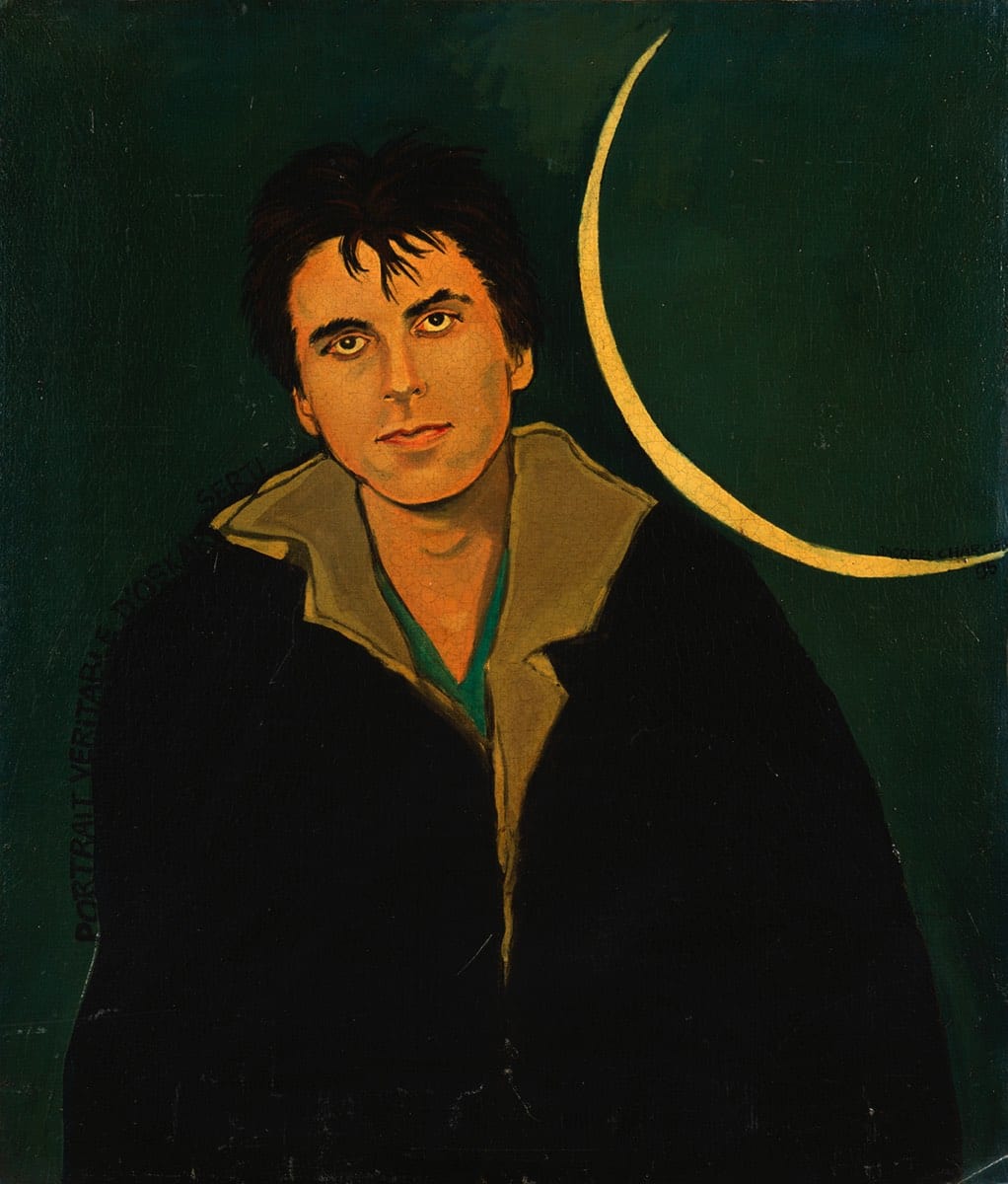
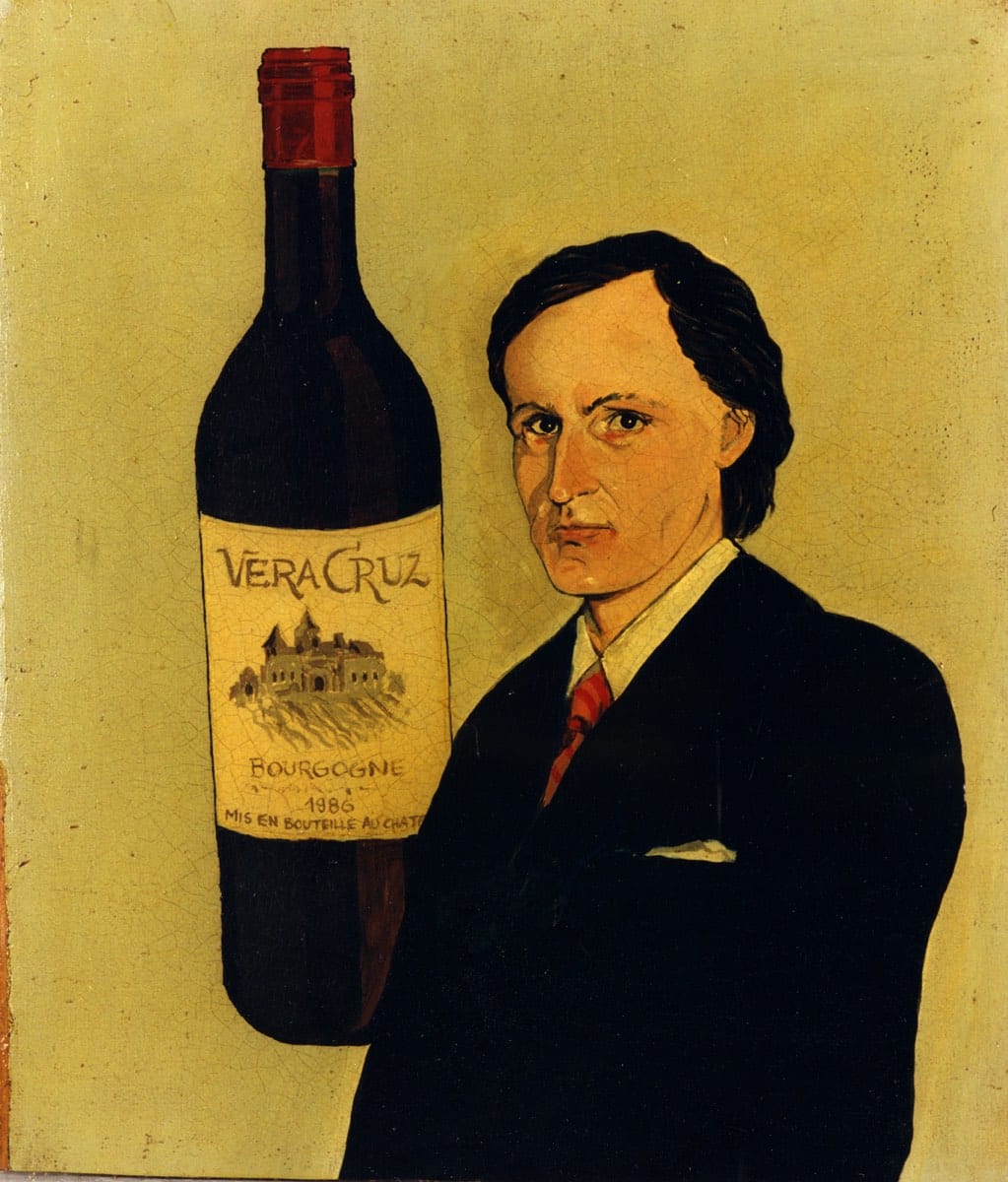
Le portrait classique demande au peintre une manière et au modèle une pose. Charlier inverse la règle : c’est le modèle qui fournit la manière. Wim Delvoye apparaît en 1994 constellé de lames de scie circulaire, un Mickey sur le tee-shirt. Jan Vercruysse pose à côté d’une bouteille de bourgogne étiquetée « Vera Cruz ». Patrick Corillon est peint sous les traits d’Oskar Serti, l’écrivain fictif dont il raconte la vie d’œuvre en œuvre, et le tableau s’intitule Portrait véritable d’Oskar Serti.
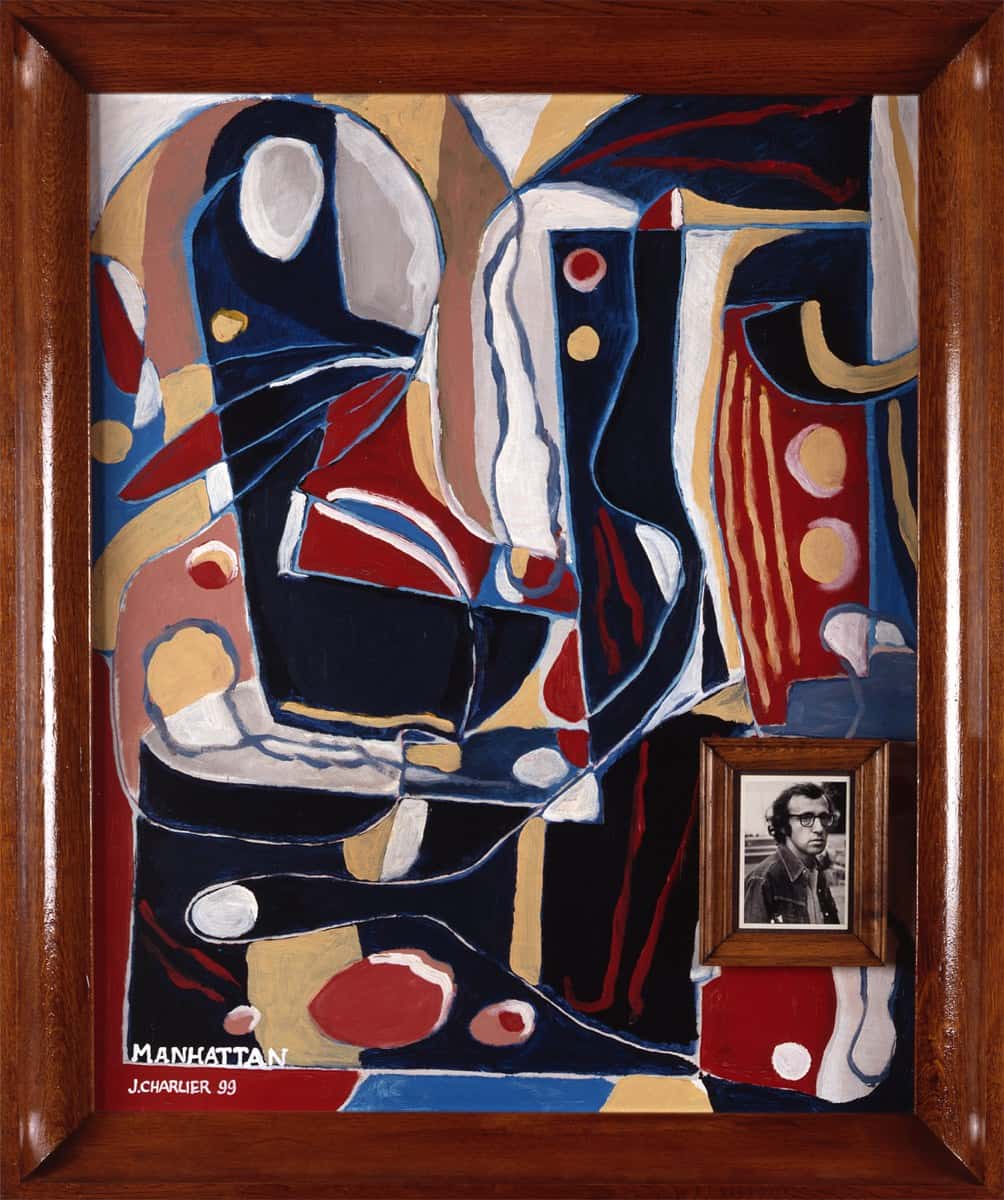
Dans Manhattan (1999), Woody Allen n’occupe qu’un petit cadre au bas d’une composition abstraite : le portrait est devenu un détail de son propre décor.
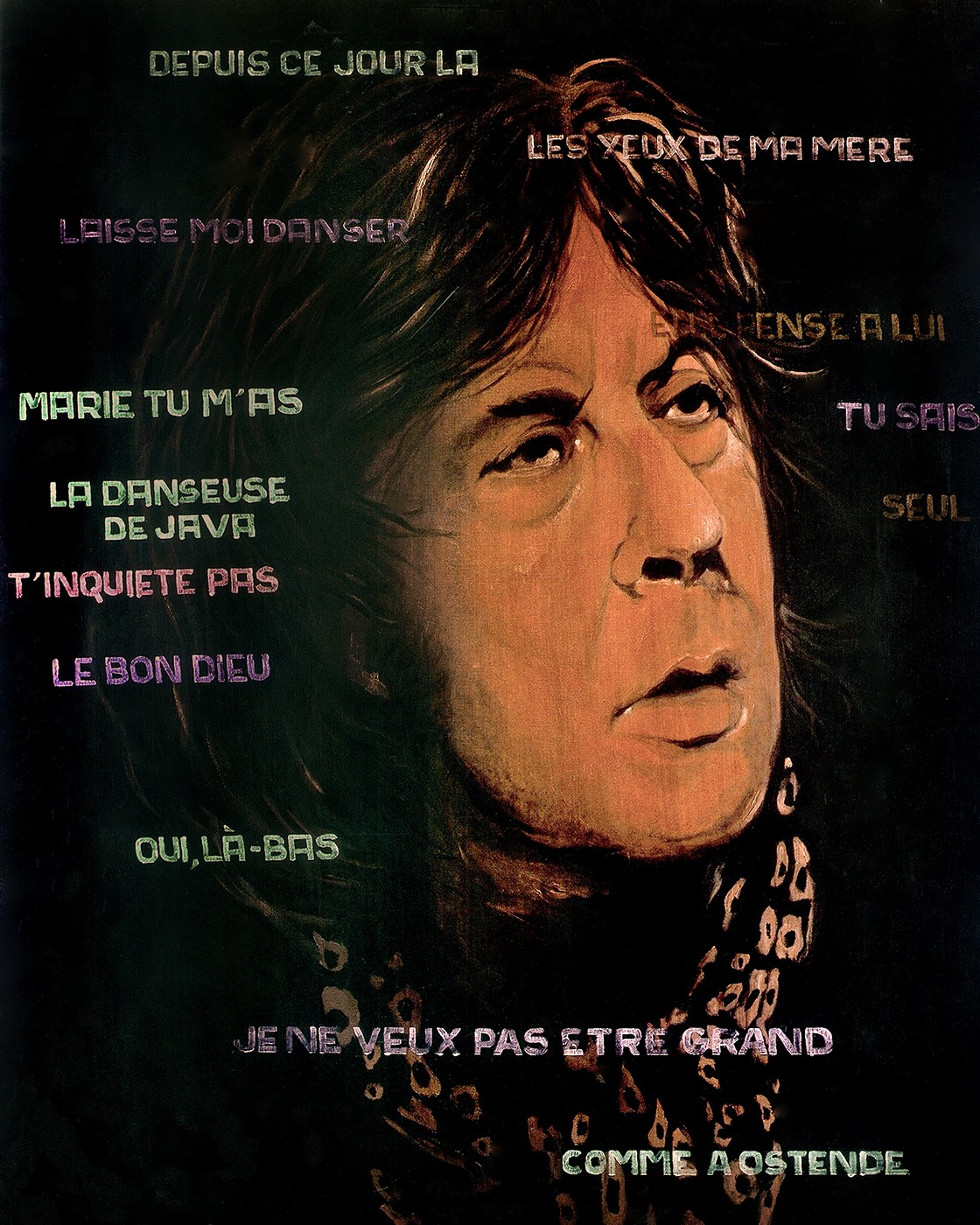
Des chansons sur la toile
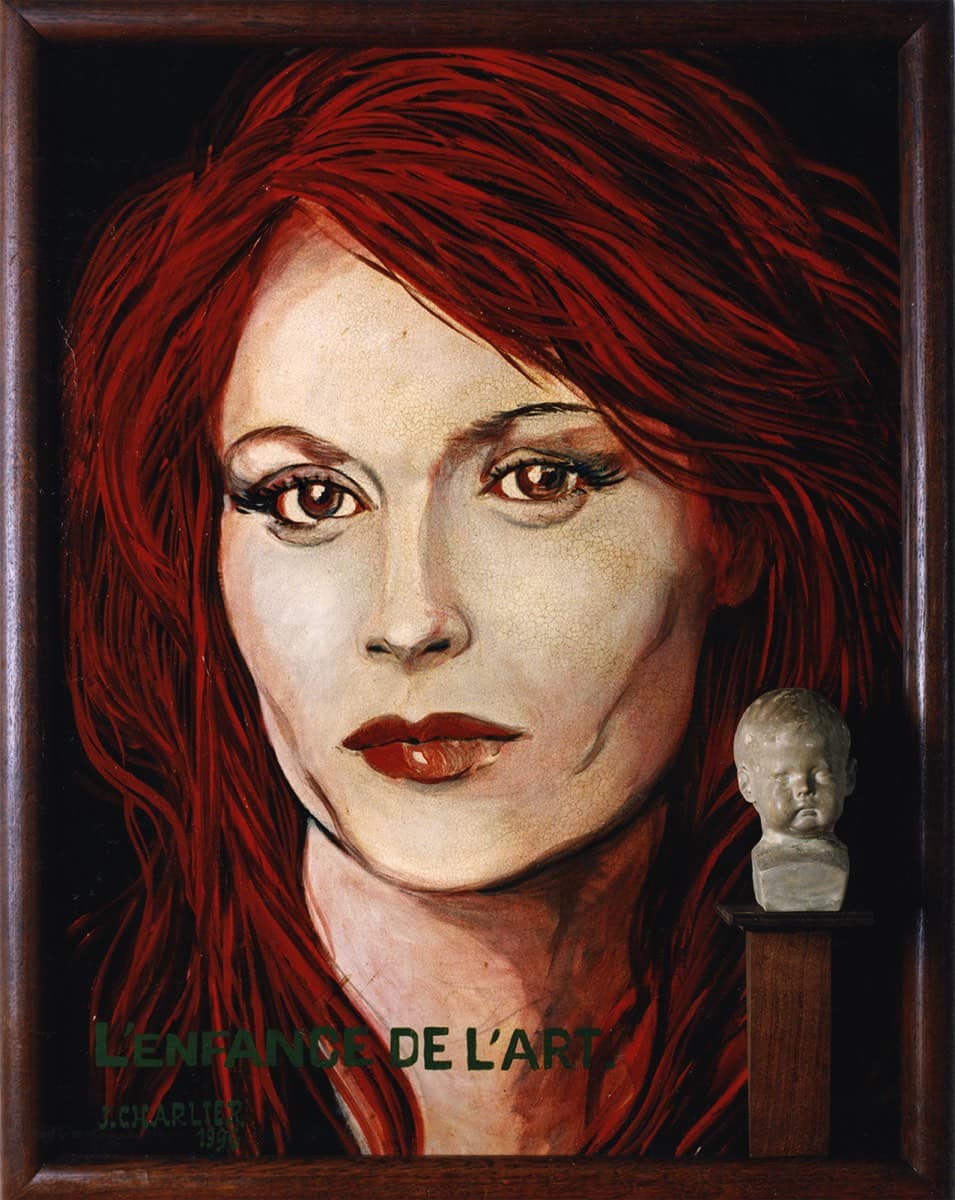
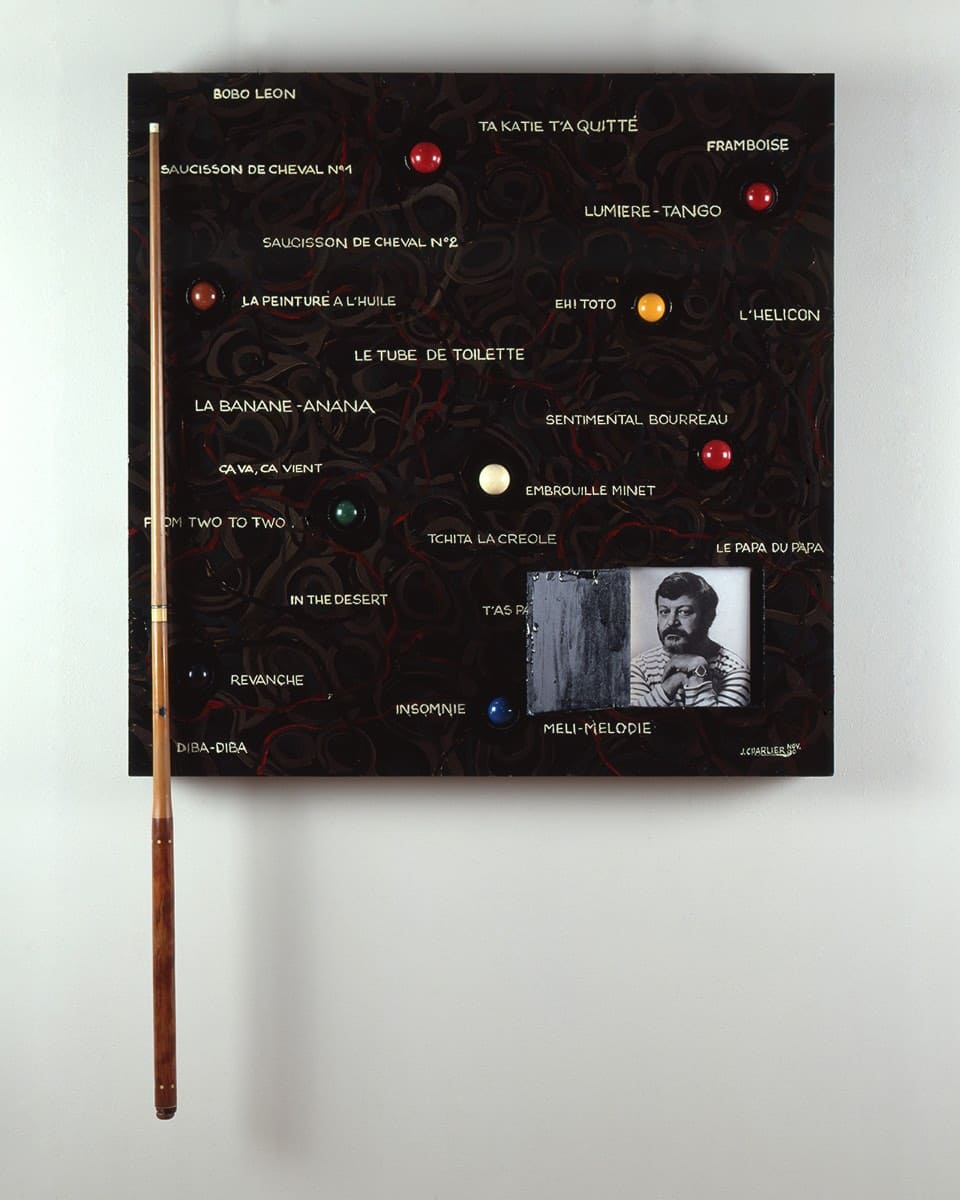
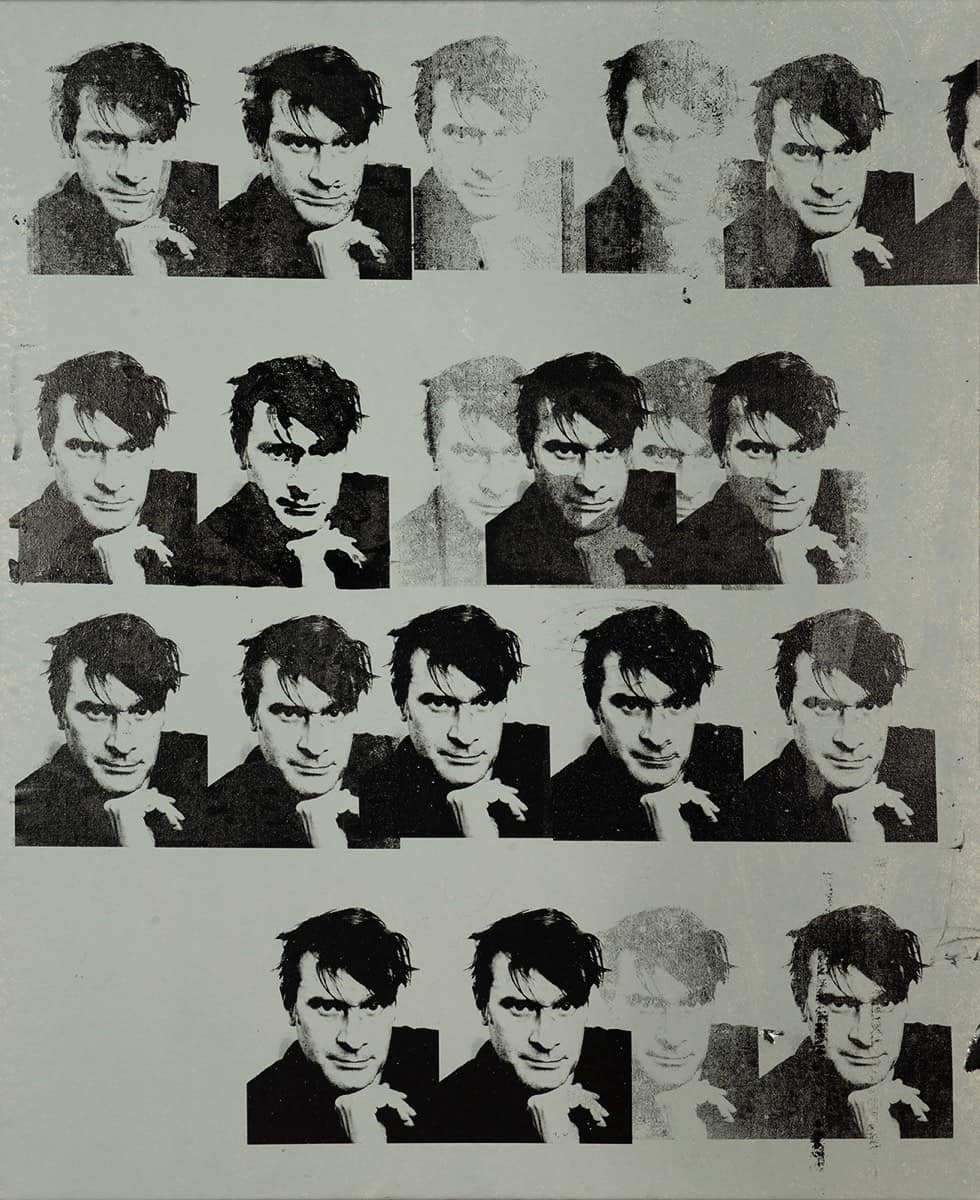
Les chanteurs sont traités par leur répertoire. Autour du visage d’Arno flottent les titres de ses chansons, de Les yeux de ma mère à Comme à Ostende. Le portrait de Bobby Lapointe se réduit à une petite photographie perdue parmi ses titres, de Framboise à Ta Katie t’a quitté, avec des billes et une queue de billard. Axelle Red devient L’enfance de l’art, Plastic Bertrand tient la planète dans le creux de la main, et Daan est multiplié en sérigraphie à la manière d’une icône pop.
Le portrait comme pièce à conviction
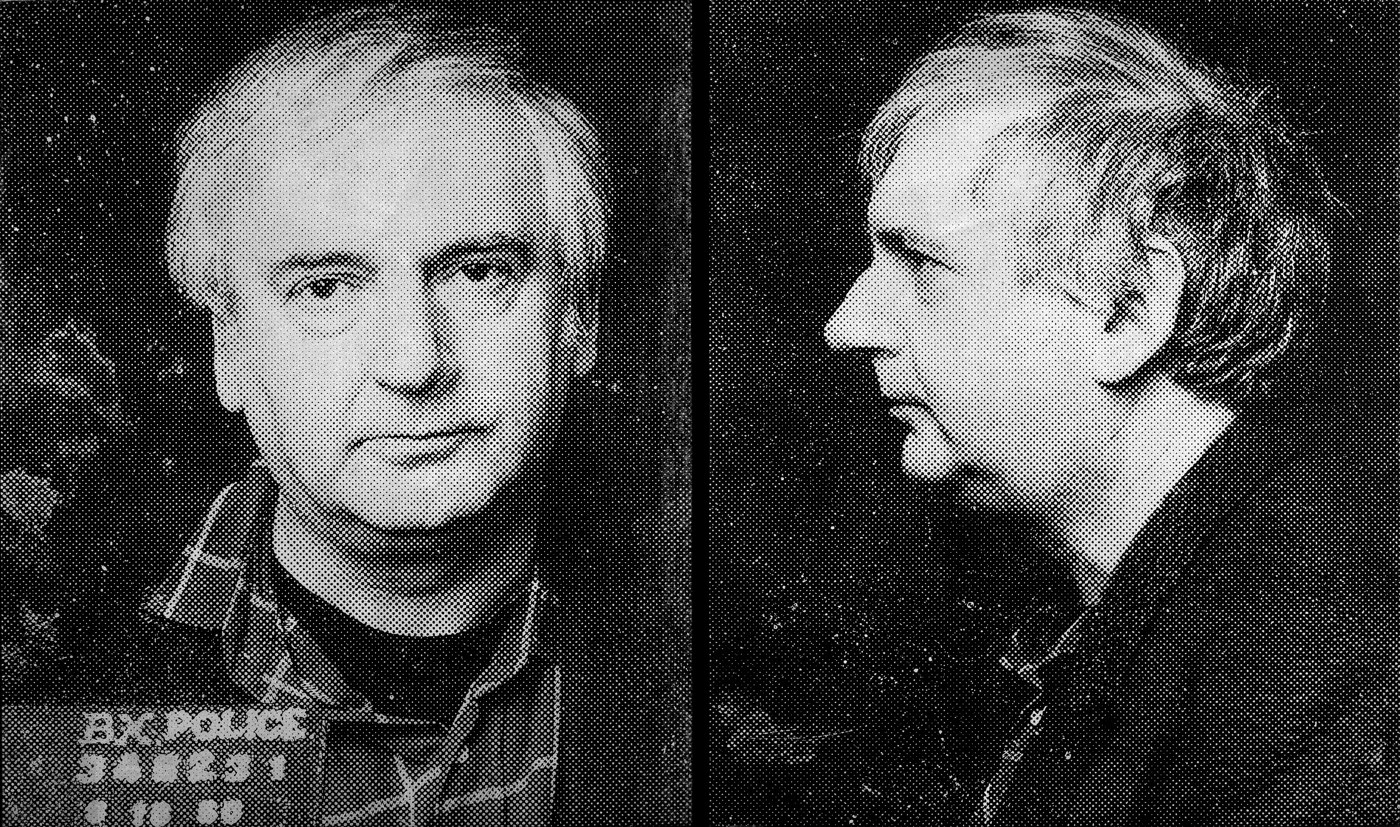
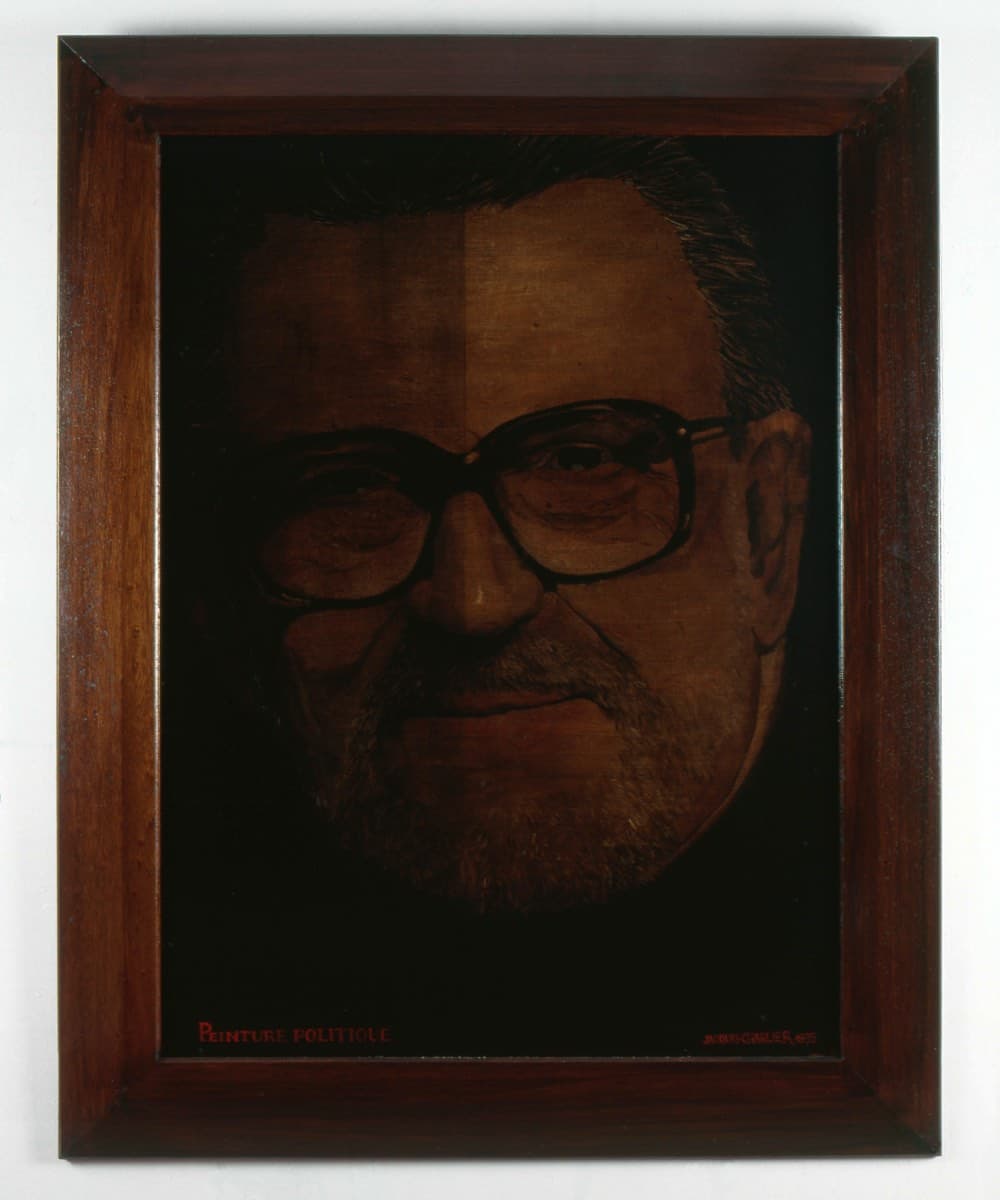
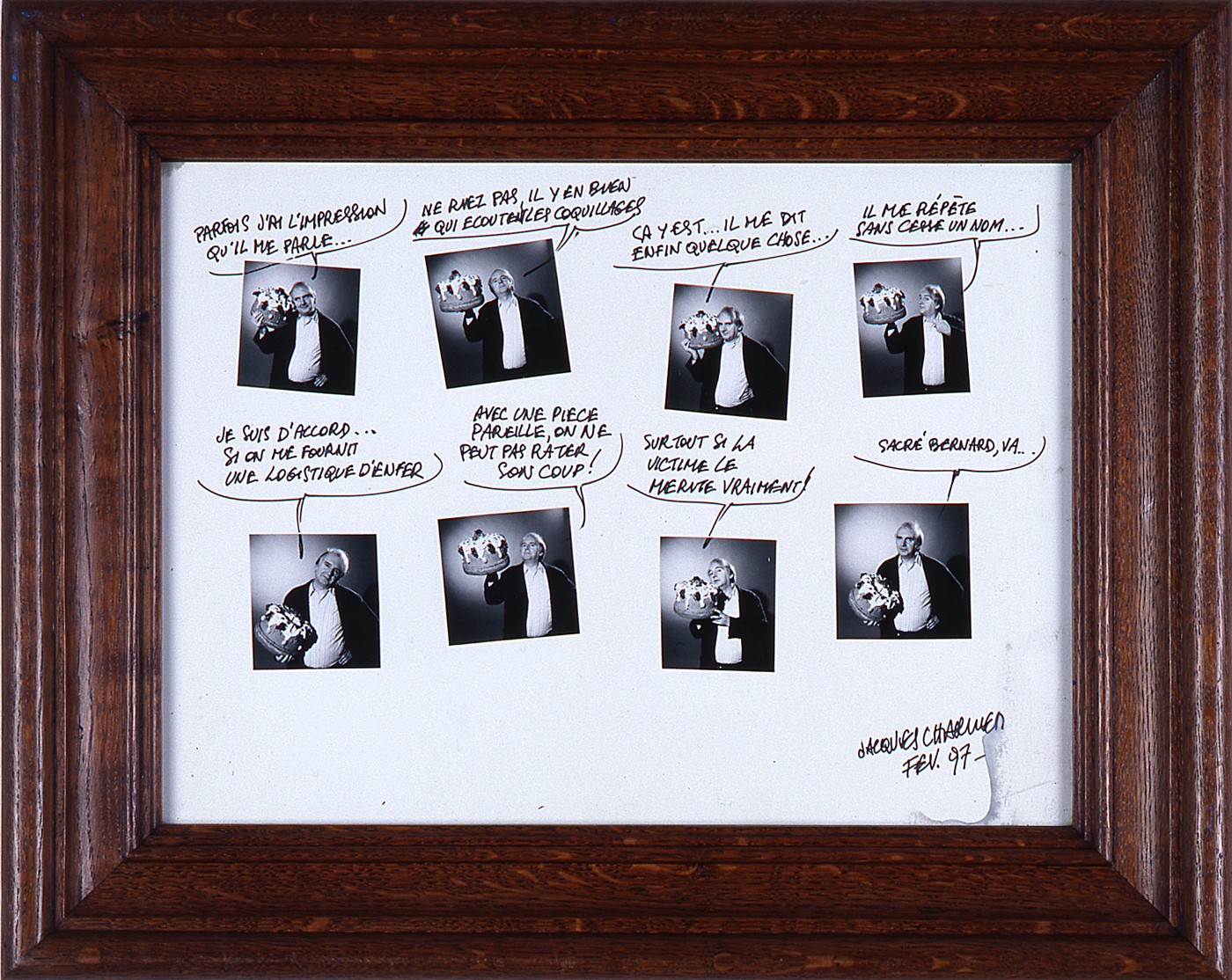
Certains portraits tiennent du dossier. Peinture politique et policière (1995) montre le visage d’André Cools, presque englouti dans le noir. Noël Godin, l’entarteur, est photographié de face et de profil avec un matricule de police pour The Most Wanted Man (1999), après avoir été le héros de deux romans-photos en 1997 et d’une affiche de vingt mètres carrés pour le Musée de la Photographie à Charleroi.
Une galerie sans style
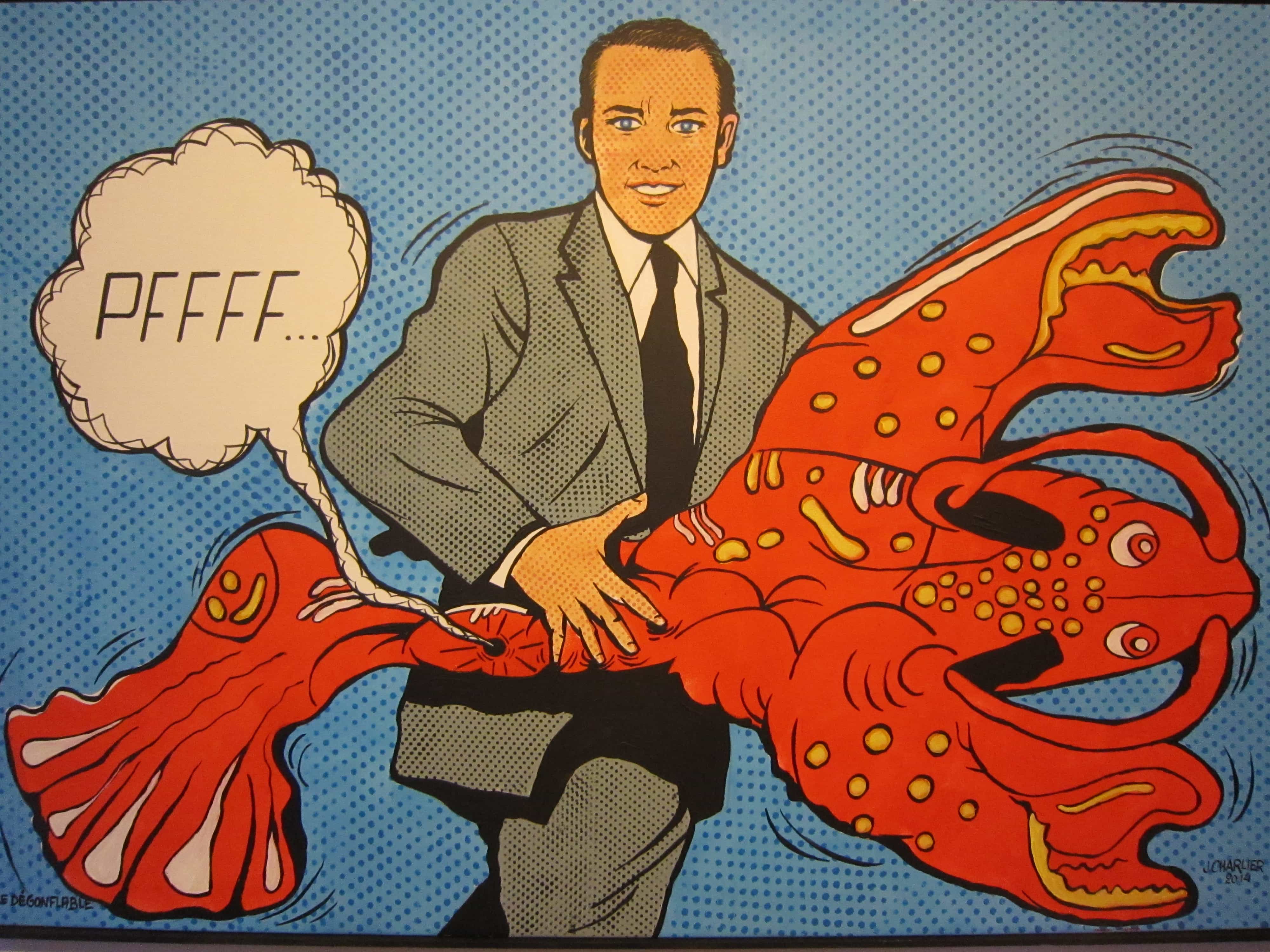
Huile sur panneau, acrylique, photographie, sérigraphie, objets : la technique change avec le sujet, comme dans le reste de l’œuvre. En 2014, Peinture dégonflable montre un homme en costume aux prises avec un homard qui se dégonfle : un pastiche de Jeff Koons, peint dans la trame de points de Lichtenstein.
« La place de Charlier est peu convoitée, car comment et où le situer puisqu’il n’est repris sur aucune liste d’appartenance à un style. »Sergio Bonati, Rétro-Portraits, 2024
Les portraits



Repères
Les modèles
Artistes : Wim Delvoye, Patrick Corillon, Jan Vercruysse, Jeff Koons. Chanteurs : Axelle Red, Bobby Lapointe, Plastic Bertrand, Arno, Daan. Et aussi : Woody Allen, André Cools, Noël Godin.
Autour de Noël Godin
Deux romans-photos (1997), une affiche de vingt mètres carrés pour les dix ans du Musée de la Photographie à Charleroi (1997) et le diptyque The Most Wanted Man (1999).
En sérigraphie
Daan existe en six versions, toutes de 2014, dont un grand format de 202 × 162 cm.
Où les portraits ont été montrés
- 1996 André Cools portrait, Maison de la Culture de Flémalle, Belgique
- 1997 Dérision/Raison, Musée de la Photographie, Charleroi, Belgique (affiche)
- 1999 Most Wanted Man, Damasquine, Aeroplastics
Continuer la visite
Series · 1994–2014 · Paintings, photographs, screenprints
For twenty years, Jacques Charlier made portraits of artists, singers and public figures. No two are alike: each sitter is treated in the manner, or with the props, of their own persona.
The sitter sets the style
The classic portrait asks the painter for a manner and the sitter for a pose. Charlier reverses the rule: the sitter supplies the manner. In 1994 Wim Delvoye appears studded with circular saw blades, a Mickey Mouse on his T-shirt. Jan Vercruysse poses beside a bottle of Burgundy labelled “Vera Cruz”. Patrick Corillon is painted as Oskar Serti, the fictional writer whose life he recounts from one work to the next, and the picture is titled Portrait véritable d’Oskar Serti (True Portrait of Oskar Serti).
In Manhattan (1999), Woody Allen occupies only a small frame at the bottom of an abstract composition: the portrait has become a detail of its own setting.
Songs on canvas
Singers are treated through their repertoire. Around the face of Arno float the titles of his songs, from Les yeux de ma mère to Comme à Ostende. The portrait of Bobby Lapointe is reduced to a small photograph lost among his titles, from Framboise to Ta Katie t’a quitté, with billiard balls and a cue. Axelle Red becomes L’enfance de l’art, Plastic Bertrand holds the planet in the palm of his hand, and Daan is multiplied in screenprint in the manner of a pop icon.
The portrait as evidence
Some portraits read like a case file. Peinture politique et policière (Political and Police Painting, 1995) shows the face of André Cools, almost swallowed by black. Noël Godin, the pie-thrower, is photographed full face and in profile with a police number for The Most Wanted Man (1999), after starring in two photo-novels in 1997 and on a twenty-square-metre poster for the Musée de la Photographie in Charleroi.
A gallery without a style
Oil on panel, acrylic, photography, screenprint, objects: the technique changes with the subject, as in the rest of the work. In 2014, Peinture dégonflable (Deflatable Painting) shows a man in a suit struggling with a deflating lobster: a pastiche of Jeff Koons, painted in Lichtenstein’s dot pattern.
“Charlier’s place is not much coveted, for how and where is one to situate him, since he appears on no list of those belonging to a style.”Sergio Bonati, Rétro-Portraits, 2024
The portraits
Reference points
The sitters
Artists: Wim Delvoye, Patrick Corillon, Jan Vercruysse, Jeff Koons. Singers: Axelle Red, Bobby Lapointe, Plastic Bertrand, Arno, Daan. And also: Woody Allen, André Cools, Noël Godin.
Around Noël Godin
Two photo-novels (1997), a twenty-square-metre poster for the tenth anniversary of the Musée de la Photographie in Charleroi (1997) and the diptych The Most Wanted Man (1999).
In screenprint
Daan exists in six versions, all from 2014, including a large format of 202 × 162 cm.
Where the portraits were shown
- 1996 André Cools portrait, Maison de la Culture de Flémalle, Belgium
- 1997 Dérision/Raison, Musée de la Photographie, Charleroi, Belgium (poster)
- 1999 Most Wanted Man, Damasquine, Aeroplastics
Continue the visit
Reeks · 1994–2014 · Schilderijen, foto’s, zeefdrukken
Twintig jaar lang maakt Jacques Charlier portretten van kunstenaars, zangers en publieke figuren. Geen enkel lijkt op het vorige: elk model wordt behandeld in de stijl, of met de attributen, van zijn eigen personage.
Het model bepaalt de stijl
Het klassieke portret vraagt van de schilder een manier en van het model een pose. Charlier keert de regel om: het model levert de manier. Wim Delvoye verschijnt in 1994 bezaaid met cirkelzaagbladen, een Mickey Mouse op zijn T-shirt. Jan Vercruysse poseert naast een fles bourgogne met het etiket ‘Vera Cruz’. Patrick Corillon wordt geschilderd als Oskar Serti, de fictieve schrijver wiens leven hij van werk tot werk vertelt, en het schilderij heet Portrait véritable d’Oskar Serti (Waarachtig portret van Oskar Serti).
In Manhattan (1999) neemt Woody Allen slechts een klein lijstje in onderaan een abstracte compositie: het portret is een detail van zijn eigen decor geworden.
Liedjes op het doek
De zangers worden behandeld via hun repertoire. Rond het gezicht van Arno zweven de titels van zijn nummers, van Les yeux de ma mère tot Comme à Ostende. Het portret van Bobby Lapointe is herleid tot een kleine foto, verloren tussen zijn titels, van Framboise tot Ta Katie t’a quitté, met biljartballen en een keu. Axelle Red wordt L’enfance de l’art, Plastic Bertrand houdt de planeet in zijn handpalm, en Daan wordt in zeefdruk vermenigvuldigd als een popicoon.
Het portret als bewijsstuk
Sommige portretten lijken op een dossier. Peinture politique et policière (Politiek en politioneel schilderij, 1995) toont het gezicht van André Cools, bijna opgeslokt door het zwart. Noël Godin, de taartengooier, wordt van voren en in profiel gefotografeerd met een politienummer voor The Most Wanted Man (1999), nadat hij in 1997 de held was van twee fotoromans en van een affiche van twintig vierkante meter voor het Musée de la Photographie in Charleroi.
Een galerij zonder stijl
Olieverf op paneel, acryl, fotografie, zeefdruk, voorwerpen: de techniek verandert met het onderwerp, zoals in de rest van het oeuvre. In 2014 toont Peinture dégonflable (Leegloopbaar schilderij) een man in pak die worstelt met een leeglopende kreeft: een pastiche van Jeff Koons, geschilderd in het puntenraster van Lichtenstein.
‘De plaats van Charlier is weinig begeerd, want hoe en waar moet men hem situeren, aangezien hij op geen enkele lijst van aanhangers van een stijl voorkomt.’Sergio Bonati, Rétro-Portraits, 2024
De portretten
Aanknopingspunten
De modellen
Kunstenaars: Wim Delvoye, Patrick Corillon, Jan Vercruysse, Jeff Koons. Zangers: Axelle Red, Bobby Lapointe, Plastic Bertrand, Arno, Daan. En ook: Woody Allen, André Cools, Noël Godin.
Rond Noël Godin
Twee fotoromans (1997), een affiche van twintig vierkante meter voor de tiende verjaardag van het Musée de la Photographie in Charleroi (1997) en het tweeluik The Most Wanted Man (1999).
In zeefdruk
Daan bestaat in zes versies, allemaal uit 2014, waaronder een groot formaat van 202 × 162 cm.
Waar de portretten te zien waren
- 1996 André Cools portrait, Maison de la Culture de Flémalle, België
- 1997 Dérision/Raison, Musée de la Photographie, Charleroi, België (affiche)
- 1999 Most Wanted Man, Damasquine, Aeroplastics